Thinking about buying a rental home in Amelia? It can be a smart move, but only if you understand how financing, taxes, property use, and local rules fit together before you make an offer. If you want a clearer path and fewer surprises, this guide will help you focus on the details that matter most. Let’s dive in.
Start With Your Rental Strategy
Before you look at properties, decide exactly how you plan to use the home. That one choice affects financing, reserves, taxes, and even how you estimate your monthly costs.
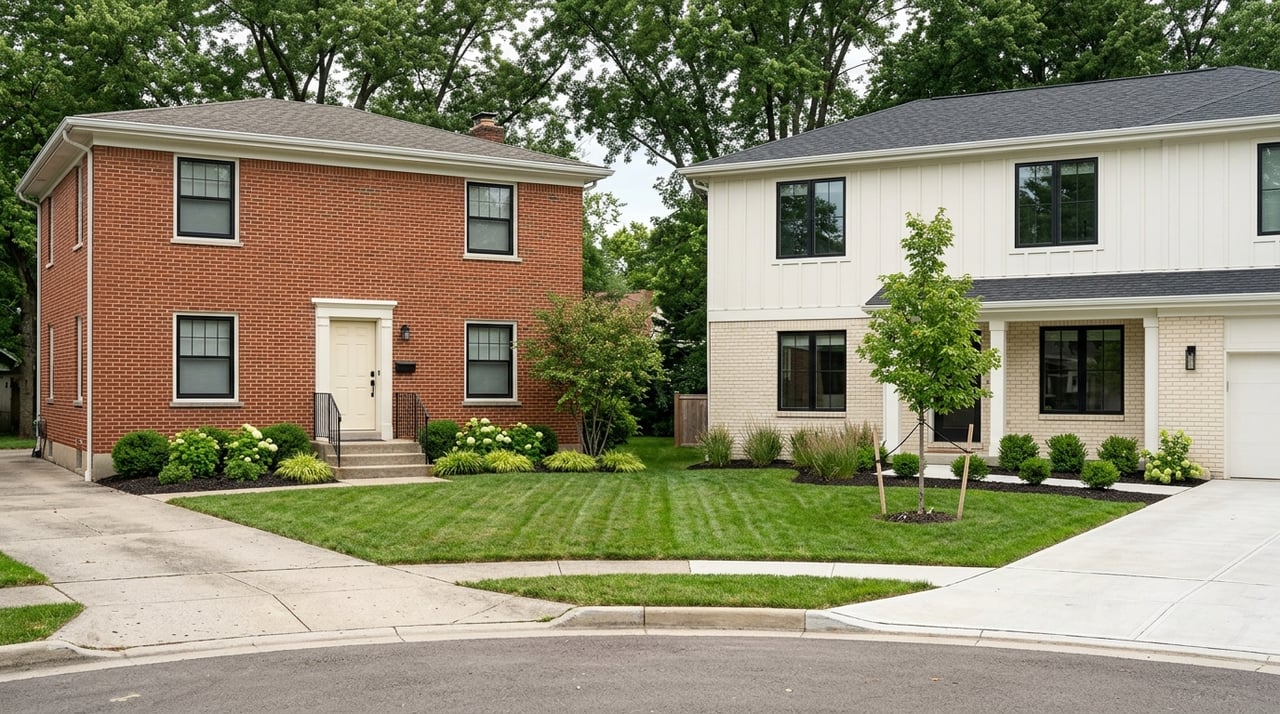
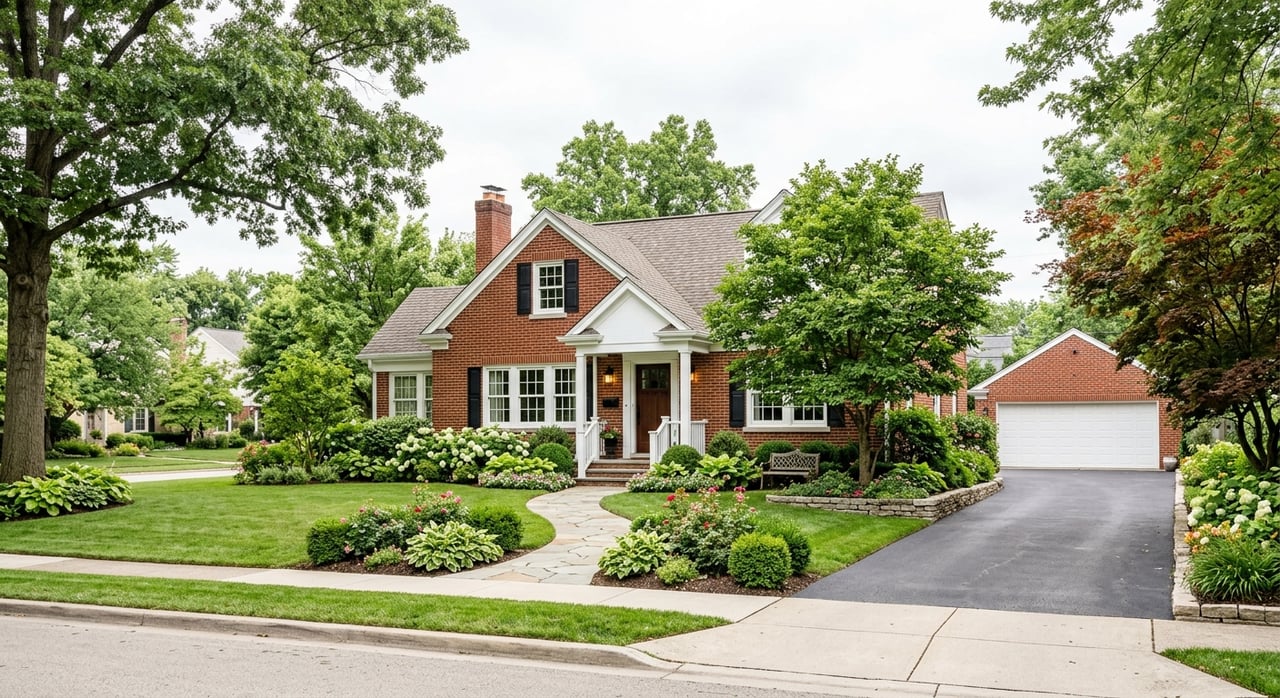
In Amelia, your options may include single-family homes, townhomes, and condos. If you want something lower maintenance, attached homes or newer subdivision properties may be worth a closer look, but your best fit depends on your budget, rental goals, and comfort level with upkeep.
Rental, Second Home, or Mixed Use
This is one of the biggest distinctions to get right early. Under conventional lending rules, a second home must be occupied by you for part of the year, remain under your exclusive control, and cannot function like a true rental property.
If you plan to rent the home out and have a manager controlling occupancy, the property is more likely to be treated as an investment property. That matters because investment property rules are often stricter than second-home rules.
Understand Financing Expectations
Many buyers focus first on the purchase price, but lenders look at the full picture. Your intended use of the property can shape down payment expectations, cash reserves, and underwriting standards.
Fannie Mae reserve guidance shows the general direction many buyers should expect. A second-home transaction may require 2 months of reserves, while an investment-property transaction may require 6 months, with added reserves possible if you already have multiple financed properties.
Why Reserves Matter
Reserves are funds you still have available after closing. They help show that you can carry the property if rent is delayed, repairs come up, or the home sits vacant for a stretch.
For a rental purchase, this is more than a lender box to check. It is also a practical safety net for you as an owner.
Know What Counts in Your Monthly Costs
A rental home is not just a mortgage payment. To understand whether a property works for your goals, you need a realistic estimate of the full carrying cost.
Clermont County notes that property tax bills depend on valuation and the mix of local levies, not simply the asking price. That means two homes with similar sale prices may not carry the same tax bill.
Key Costs to Estimate Before You Buy
- Mortgage payment
- Property taxes
- Homeowners insurance
- HOA or condo dues, if applicable
- Maintenance and repairs
- Utilities, if owner-paid
- Property management fees, if you hire help
- Vacancy reserves
If you are considering a condo or townhome, HOA dues deserve extra attention. Consumer guidance notes these dues can range from a few hundred dollars to more than $1,000 per month, and they are usually paid directly to the association, not your lender.
Verify the Parcel Details
Do not assume every Amelia property carries the same tax district, school district, or local assignment. Parcel-level checks can affect your cost estimates and help you avoid surprises after closing.
The Ohio tax finder shows that an Amelia address may fall within West Clermont LSD, which is a reminder to verify the exact assignment for the specific property you want to buy. This is especially important when you are building out a monthly budget or comparing properties side by side.
What to Confirm Before Making an Offer
- Exact parcel identification
- Current tax district assignment
- School district assignment
- Annual property tax amount
- Whether the property is part of an HOA or condo association
- Any recurring association dues or assessments
Review Clermont County Rental Requirements
If you buy a residential rental property in Amelia, you should plan for county-level compliance right away. Clermont County requires owners of residential rental property to file registration information within 60 days after transfer, after receiving a tax bill, or after a change in filing information.
If you live outside Ohio, Clermont County also requires you to designate an in-state contact person. That is a small step, but it is an important one if you are buying from out of town or as a long-distance owner.
Check Zoning and Permit Rules Early
A property may look like a great rental candidate, but your plans still need to match the parcel’s actual zoning and permit authority. That is especially true if you want to add bedrooms, finish space, build an addition, or change how the property is used.
In the Amelia area, zoning authority can depend on the parcel location. Union Township’s planning department administers zoning and issues permits, and Clermont County Permit Central provides township zoning contacts, so it is wise to confirm the correct authority before assuming a renovation or use change is allowed.
Projects That Need Extra Verification
- Room additions
- Finished basements used as living space
- Garage conversions
- Use changes tied to rental plans
- Exterior improvements that require permits
Learn the Basics of Ohio Landlord Duties
Owning a rental means taking on legal responsibilities, not just collecting rent. Ohio landlord-tenant law sets baseline duties for landlords across the state.
Under Ohio law, landlords must keep the property code-compliant, fit and habitable, safe in common areas, and in working order for key systems. The law also addresses notice before entry and security deposit handling, and lease terms cannot waive Chapter 5321 protections.
This matters when you are comparing homes. A lower-priced property may seem appealing, but if major systems or safety issues need work, your true cost of ownership can rise quickly.
Plan for Management and Recordkeeping
Every rental needs someone to handle the day-to-day work. That includes leasing, maintenance coordination, repairs, inspections, communication, and organized recordkeeping.
For some buyers, self-management works well. For others, especially if you live farther away or want a more hands-off experience, hiring a local property manager may be the better fit.
Ask Yourself These Questions
- Do you want to handle tenant communication yourself?
- Can you respond quickly to repair issues?
- Will you be local enough for inspections and emergencies?
- Do you want help with leasing and turnover?
- Are you prepared to track expenses carefully for tax reporting?
Understand Tax Treatment Before You Buy
Rental property taxes can be helpful, but they are not simple enough to guess through. IRS Publication 527 says residential rental income and expenses are generally reported on Schedule E.
Common expenses can include maintenance, insurance, interest, management fees, repairs, taxes, utilities, and depreciation. It also notes that rental losses can be limited by passive-activity and at-risk rules.
Mixed Personal and Rental Use Changes the Rules
If you plan to use the property yourself for part of the year, tax treatment may change. IRS guidance says rent from a home used personally for fewer than 15 days in the tax year is not included in income, and mixed-use properties require expense allocation.
That is one reason it is so important to decide early whether the home will be a pure rental, a second home, or a mixed-use property. A lender, CPA, and attorney can help you sort out what structure makes sense for your plan.
Be Careful With Short-Term Rental Assumptions
Some buyers assume they can switch to short-term stays if long-term rent does not pencil out. Before you count on that strategy, verify the rules and costs that apply.
Clermont County says the county lodging tax total is 7%, and Ohio administrative rule defines transient guests as rentals of sleeping accommodations for fewer than 30 consecutive days. If short-term use is part of your plan, make sure you understand the local tax and use implications before buying.
Use a Smart Pre-Offer Checklist
A strong rental purchase starts with better due diligence, not guesswork. Before you submit an offer on an Amelia property, it helps to slow down and confirm the numbers and property details.
Amelia Rental Home Checklist
- Decide whether the property will be a rental, second home, or mixed-use property
- Confirm the parcel’s tax district and school district
- Estimate property taxes based on the actual parcel
- Review HOA or condo documents if applicable
- Calculate monthly HOA dues and any special assessments
- Ask about utility history
- Check the age and condition of major systems
- Verify zoning and permit authority for any planned changes
- Estimate maintenance, insurance, and management costs
- Review closing documents carefully before signing
Consumer guidance also recommends reviewing important closing documents before signing, including the Closing Disclosure, promissory note, mortgage, and deed. Some buyers also choose to have an attorney review the paperwork.
Why Local Guidance Helps
Buying a rental home is part real estate decision and part business decision. You need the right property, but you also need a clear understanding of carrying costs, intended use, and local requirements.
If you are looking in Amelia, a local advisor can help you compare condos, townhomes, and single-family options, spot cost factors that are easy to miss, and keep your search aligned with your long-term goals. That kind of clarity can make the process feel far more manageable.
If you are exploring rental or investment property opportunities in Amelia or the eastern Cincinnati suburbs, Lori Williams can help you evaluate your options with local insight and a practical, step-by-step approach.
FAQs
What should you know before buying a rental home in Amelia?
- You should confirm how you plan to use the property, estimate full monthly costs, verify parcel tax details, review HOA obligations, and check Clermont County rental registration and local zoning requirements.
Is a rental home in Amelia financed the same way as a second home?
- Not usually. A true rental is generally treated as an investment property, while a second home must meet occupancy and control requirements that do not apply the same way to rental property.
Do rental property owners in Clermont County need to register the property?
- Yes. Clermont County requires owners of residential rental property to file registration information within 60 days after transfer, after receiving a tax bill, or after a change in filing information.
What property types should you consider for a rental home in Amelia?
- Buyers in Amelia often consider single-family homes, townhomes, and condos, especially when balancing maintenance needs, HOA costs, and rental goals.
What expenses should you estimate before buying an Amelia rental property?
- You should estimate mortgage costs, property taxes, insurance, HOA or condo dues, maintenance, utilities, management fees, and reserves for vacancies or repairs.
Can you use a rental home in Amelia for short-term stays?
- You should verify that carefully first, because short-term rentals can trigger different tax treatment and use rules, including Clermont County lodging tax for stays under 30 consecutive days.