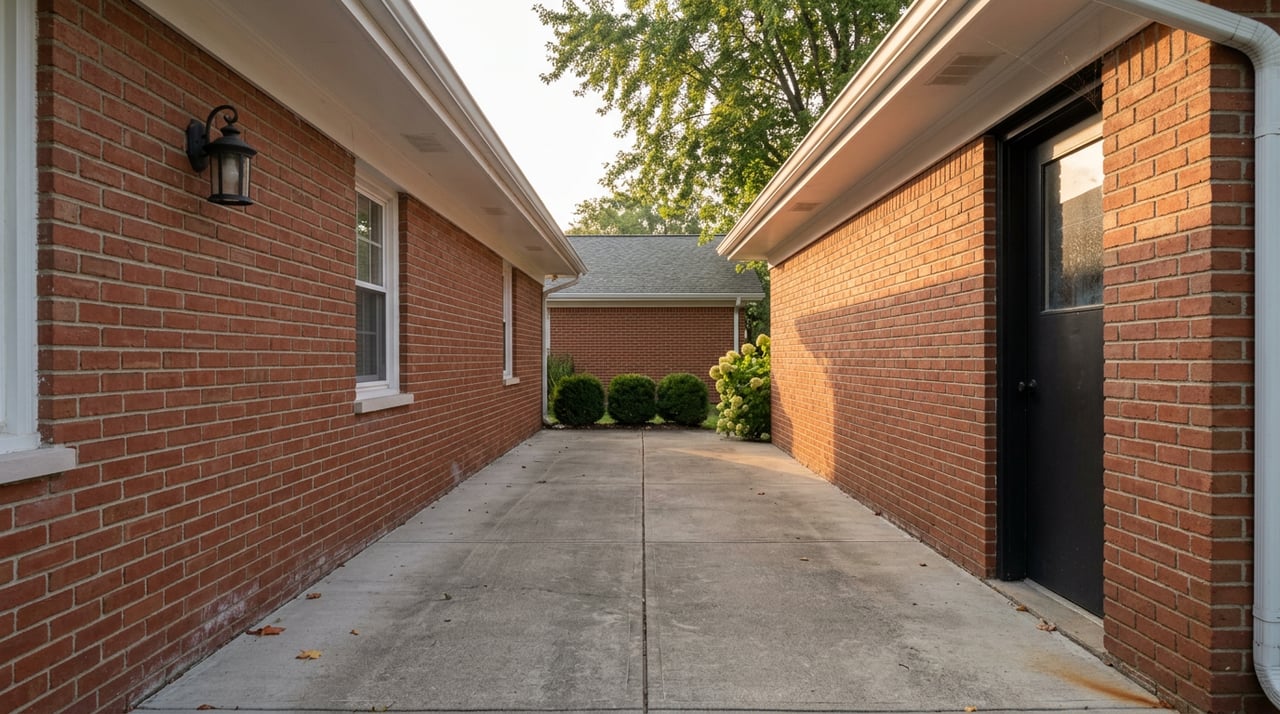
A Hyde Park listing that goes under contract in three weeks looks like good news to any seller. For a house built the year the Reds won their first World Series, the calendar working in your favor is exactly the problem.
Movoto's June 2026 figures put the median time on market for Hyde Park listings at 16 days. Homes.com's trailing 12-month figures put it closer to 24 days against a 57-day national average. Either number describes a market that moves faster than most of the country. Neither number describes a market that gives a seller room to discover, mid-contract, that the wiring behind a 1920s plaster wall is still knob-and-tube, or that the sewer lateral running under a driveway off Erie Avenue was never pulled with a permit.
That is the part sellers of Hyde Park's older housing stock tend to miss. A fast market does not mean less scrutiny. It means the scrutiny happens on a buyer's timeline instead of a seller's, and Hyde Park's housing stock, much of it built between the 1900s and the 1930s, has specific and well-documented ways of turning that timeline into a renegotiation.
What Actually Turns Up When Someone Opens The Panel
Hyde Park's streets run from turn-of-the-century Victorians and Tudor Revivals near the square to Arts and Crafts foursquares and bungalows near Erie Avenue and Madison Road, with mid-century homes clustered closer to Ault Park and Observatory Avenue. A local inspection firm that has worked the neighborhood for more than 25 years describes it plainly: a generic checklist does not account for the knob-and-tube wiring in a 1910s Victorian or the settling patterns typical of homes built on Hyde Park's rolling, hillside lots.
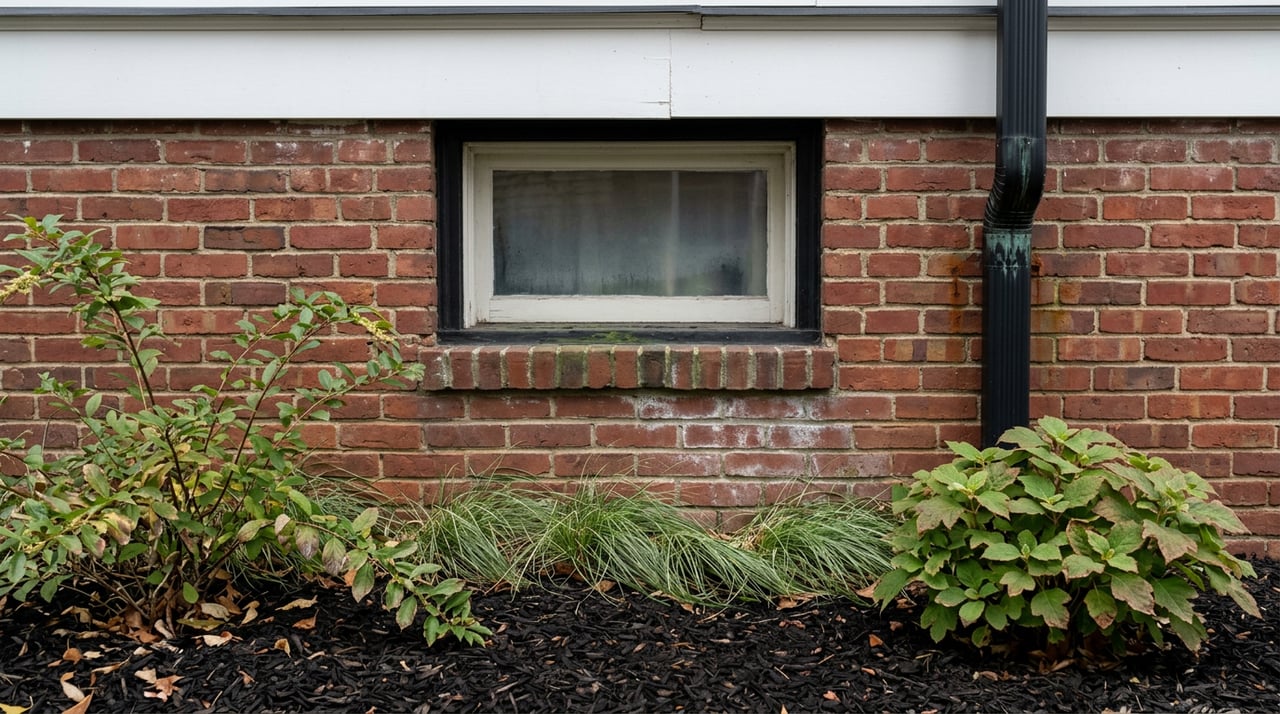
The specific findings that firm reports seeing repeatedly in Hyde Park inspections include outdated electrical systems with undersized panels and missing GFCI protection in kitchens and bathrooms, particularly in homes built before the 1950s near the square and Madison Road, plus aging plumbing, including galvanized supply lines and clay sewer laterals that show corrosion or root intrusion once a camera goes down the line. The neighborhood's hillside topography near Ault Park and the ravines toward the Little Miami River corridor can also direct water toward foundations that were graded long before modern drainage standards existed.
None of this makes a house unsellable. It makes the timeline the risk. A buyer's inspector finds active knob-and-tube wiring on day nine of a 16-day contract, and now the negotiation over rewiring costs happens against a closing date that was never built with that conversation in mind.
Where The Housing Stock Runs Into Trouble, By Era
| Era & Style | Where You See It | What Surfaces At Inspection | Why It Matters For Financing |
|---|---|---|---|
| 1900s to 1930s Victorians and Tudor Revivals | Streets ringing Hyde Park Square | Knob-and-tube wiring, undersized panels, no GFCI in kitchens or baths | FHA and VA guidelines often require modern electrical systems, and active knob-and-tube can hold up loan approval |
| Arts and Crafts foursquares and bungalows | Near Erie Avenue and Madison Road | Galvanized supply lines, clay sewer laterals with corrosion or root intrusion | Buyers increasingly order sewer scopes before closing, and a failed scope becomes a repair credit negotiation |
| Mid-century homes | Near Ault Park and Observatory Avenue's sloped lots | Foundation moisture tied to pre-modern grading | Can trigger a structural addendum or a price adjustment mid-contract |
| Renovated homes of any era | Scattered throughout the neighborhood | Electrical or plumbing work completed without a matching city permit on file | Missing permits can stall a closing while a seller retroactively pulls permits or signs an affidavit |
The pattern across all four rows is the same. These are not defects that appear out of nowhere. They are known, documented tendencies of the neighborhood's building eras, which means a seller who checks for them before listing is working from information the inspector already has. A seller who waits for the buyer's inspector to find them first is negotiating from behind.
Ohio's Disclosure Form Doesn't Ask You To Guess
Ohio Revised Code 5302.30 requires anyone selling a one-to-four unit residential property to complete and deliver the state's Residential Property Disclosure Form before the buyer signs a purchase contract. The form covers water supply, sewer systems, roofing, foundation, electrical, structural and mechanical systems, along with known hazardous conditions. Sellers are only required to disclose what they actually know, not what a hired inspector would find, but the form still has to arrive on time.
If it does not, the buyer gets a statutory right to rescind the contract within three business days of finally receiving it, or within 30 days of signing, whichever comes first, no proof of damages required. For a house built before 1978, which describes most of Hyde Park's original housing stock, federal law adds a second requirement: a lead-based paint disclosure and pamphlet, delivered separately from the state form.
Neither of these is a reason to panic. Both are reasons to fill out the paperwork with real knowledge of the house rather than a best guess, which brings the permit history and inspection findings back into play well before a buyer's attorney asks about them.
Cincinnati Adds Its Own Layer
Beyond the state disclosure form, the City of Cincinnati offers a Certificate of Inspection, typically requested by a prospective buyer, which checks the property against current building and zoning code and lists any major violations found. It is not automatic and it is not required for every sale, but it is common enough in Hyde Park transactions that sellers should expect the question to come up.
Separately, if a Hyde Park property carries a local historic designation, any exterior work requires a Certificate of Appropriateness from the city's Urban Conservator before a permit is issued. That rule applies to the work itself, not to the sale, but it matters for timing. A seller who wants to address exterior issues before listing, replacing a porch railing or repointing brick identified in a pre-listing walkthrough, needs to build that approval into the schedule rather than assume a contractor can start next week.
Why The Portals Don't Agree With Each Other
Here is where the pricing conversation gets more interesting than a single median suggests. Homes.com's trailing 12-month figures show a median sale price of $500,000, up 6 percent from the prior 12-month period, with multi-family properties specifically posting a $499,900 median against a $702,300 average sale price as of June 2026, a spread wide enough to suggest a handful of high-end sales are pulling the average well above the middle. Movoto's June 2026 numbers, on the other hand, show the median list price flat at $477,000 compared to a year earlier, while price per square foot fell 13 percent over that same year.
A year of appreciation and a single recent month of flattening list prices can both be true at once. They are more likely a signal that the mix of homes selling has shifted, larger or more renovated properties moving alongside smaller ones, than evidence that the market reversed. Whatever the exact cause, the takeaway for a seller is the same one that runs through every section above: a portal median cannot price a specific century-old house with specific systems and a specific permit history. Only a comp set built around that house can, and that comp set has to account for what an inspector is likely to find, not just what the listing photos show.
A Pre-Listing Sequence That Matches The Timeline
Given a market moving in two to three weeks, the diligence has to happen before the sign goes in the yard, not after an offer arrives. A workable sequence looks like this:
- Order a sewer scope and have a licensed electrician assess the panel and any remaining knob-and-tube runs, so findings are known rather than discovered
- Pull the property's permit history from the City of Cincinnati before listing, to identify any electrical or plumbing work completed without a matching permit
- Confirm whether the property carries a local historic designation, since that changes the approval process for any exterior repairs made before listing
- Complete the Ohio disclosure form with the above information in hand rather than filling it out from memory
- Decide in advance whether a Certificate of Inspection makes sense to request proactively, rather than waiting for a buyer to ask
None of this eliminates the friction that comes with a 100-year-old house. It moves the friction to a point in the process where a seller has room to respond to it.
A Few Questions That Come Up Often
Do I have to replace knob-and-tube wiring before I can sell in Hyde Park? Not as a matter of law. It is legal to sell a home with knob-and-tube wiring as long as it is disclosed. The practical pressure comes from financing: buyers using FHA or VA loans may run into requirements for modern electrical systems, which can narrow the buyer pool if the wiring is left as-is.
Is a sewer scope required before I sell in Cincinnati? No city ordinance requires one for a standard residential sale, but given how often clay laterals and galvanized lines show up in Hyde Park's older homes, buyers increasingly order one during their own inspection period. Having the results ahead of time keeps that finding from becoming a surprise deadline.
What if my house is in a locally designated historic district? Any exterior work still needs a Certificate of Appropriateness from the city's Urban Conservator before a permit is issued, separate from the sale itself. Build that approval time into your pre-listing schedule if repairs are part of the plan.
If your Hyde Park home has a little history built into its wiring, its plumbing, or its permit file, that history is manageable with the right sequence and unpredictable without it. Lori Williams has spent her career in this neighborhood's housing stock and can help you build a pre-listing plan that matches how fast Hyde Park actually moves. Schedule a free consultation to start the conversation before the timeline starts without you.